NCEdCloud LEA Code — What it is and How to Find Your District’s Code
What is an NCEdCloud LEA Code?
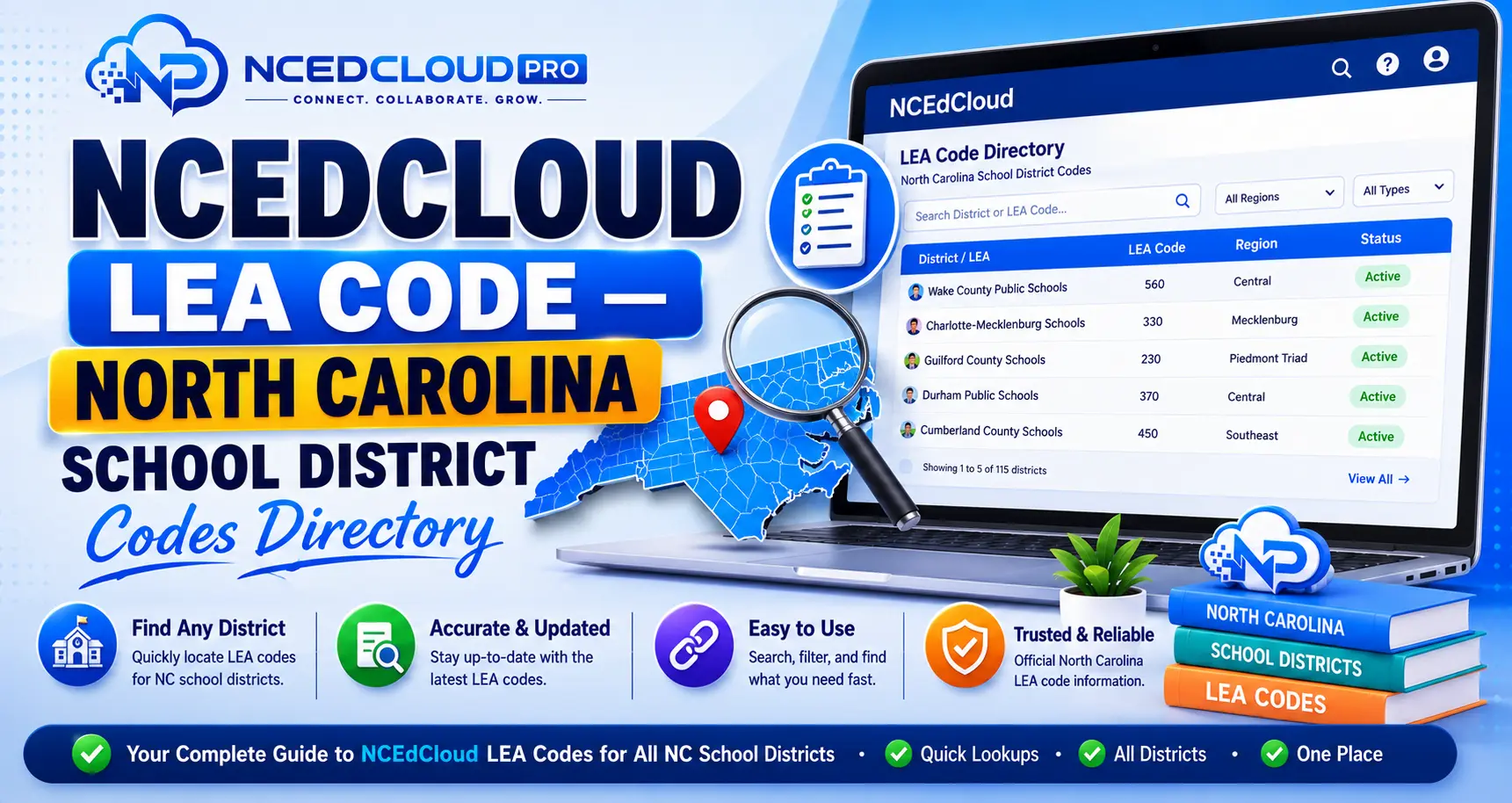
An NCEdCloud LEA code is the numeric identifier NCDPI assigns to each North Carolina local education agency. These codes appear in NCEdCloud system configurations, data files, SSO attribute mappings, and administrator references. They are used to identify which district a student or staff account belongs to and to route data correctly between NCDPI systems.
LEA (Local Education Agency) codes are permanent district identifiers in principle, and the same code is used across NCDPI platforms including NCEdCloud, Home Base, and SchoolNet. In practice, however, a handful of districts have appeared under more than one code across different legacy systems over the years, which is exactly why this page doesn’t publish a numeric table of its own.
Codes are assigned and maintained directly by NCDPI, and they’re the only fully reliable source for a given district’s current, active code. For how LEA codes fit into the bigger picture of how NCEdCloud works across every district, see our NCEdCloud Districts guide.
Why LEA Codes Matter in NCEdCloud?
LEA codes are used by LEA Administrators when:
- Configuring data file integrations between the district SIS and NCEdCloud
- Setting provisioning rules scoped to the correct LEA
- Verifying SSO attribute values passed to connected applications
- Submitting support tickets to NCDPI that require district identification
- Reviewing statewide reports that sort data by LEA
For most students and teachers, the LEA code is invisible; it operates in the background. It becomes visible when an administrator is troubleshooting account data or setting up system integrations.
Where to Find Your District’s Official LEA Code?
Because these codes are assigned and maintained directly by NCDPI and can be updated or reassigned, the reliable source is NCDPI’s own Education Directory rather than a third-party list:
Official lookup: NCDPI Education Directory, which includes the EDDIE system for district codes, phone numbers, and school addresses.
Your school or district IT department will also have your current code on file, and it’s often the fastest way to confirm it for a specific system configuration task.
Frequently Asked Questions
Where do I find the official current list of NC LEA codes?
The official source is NCDPI’s Education Directory and the associated EDDIE system. LEA codes are also referenced in the Home Base and NCEdCloud administrator documentation portal at docs.ncedcloud.org. Always verify with NCDPI before entering a code in a system configuration.
Can an LEA code change over time?
LEA codes assigned by NCDPI are generally stable, but when new districts are created or districts merge, new codes may be issued or retired. NCDPI communicates these changes through official channels, so it’s worth re-confirming a code if you haven’t used it recently.
Why do some sources show different codes for the same district?
Some districts have historically appeared under multiple codes across different legacy systems, which is part of why this page points to NCDPI’s official directory rather than maintaining its own number table. Always confirm the current active code with NCDPI for any system integration work.
Do charter schools have LEA codes?
Charter schools receive PSU (Public School Unit) codes from NCDPI, which function like LEA codes for data and system purposes. These are separate from the codes assigned to traditional county or city school districts. See our Charter School guide for more on how charter PSU codes work.
What is Wake County’s LEA code in NCEdCloud?
Wake County Public School System’s LEA code is publicly referenced as 920 in multiple current NCDPI and district materials, but as with any specific code used in a system configuration, confirm the current value directly with NCDPI’s Education Directory before relying on it.
Disclaimer Note: NCEdCloud, RapidIdentity, and Identity Automation are trademarks of their respective owners. NCEdCloudPro.com is not affiliated with or endorsed by NCDPI, NCEdCloud, MCNC, or Identity Automation. Read our full disclaimer.